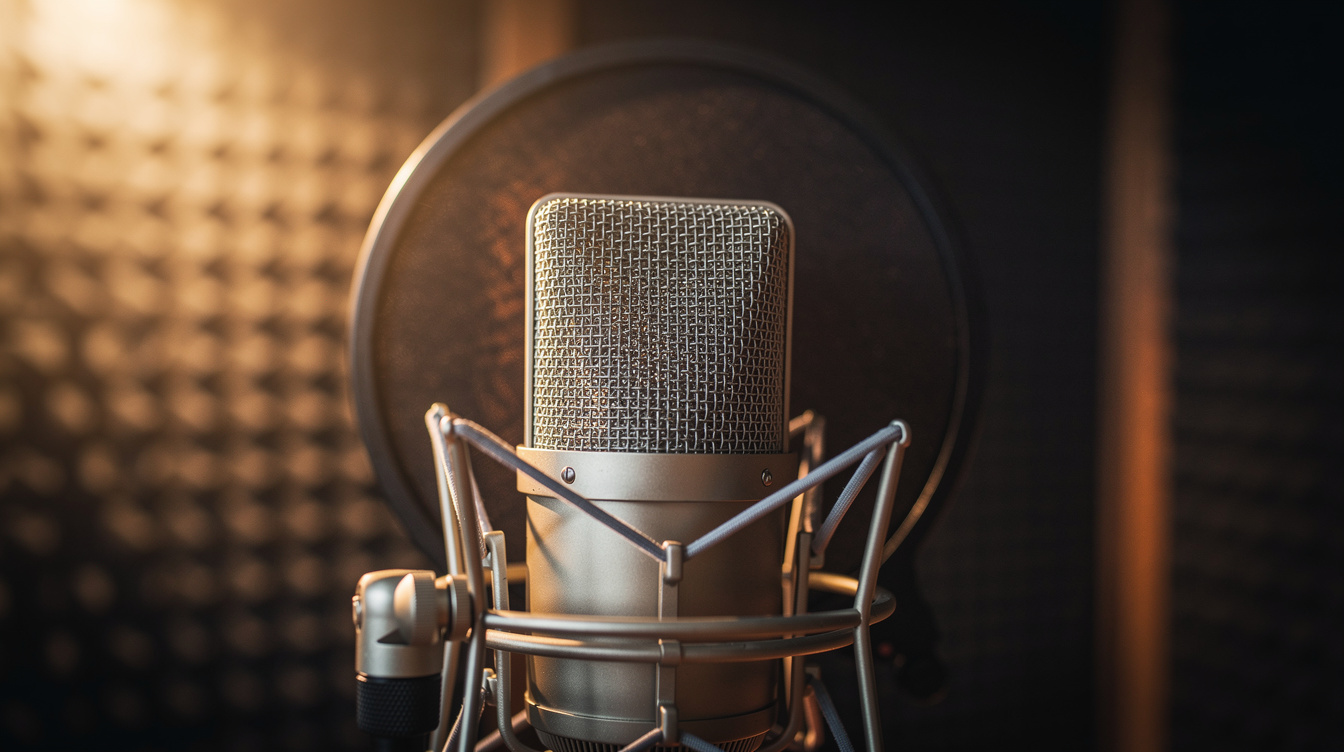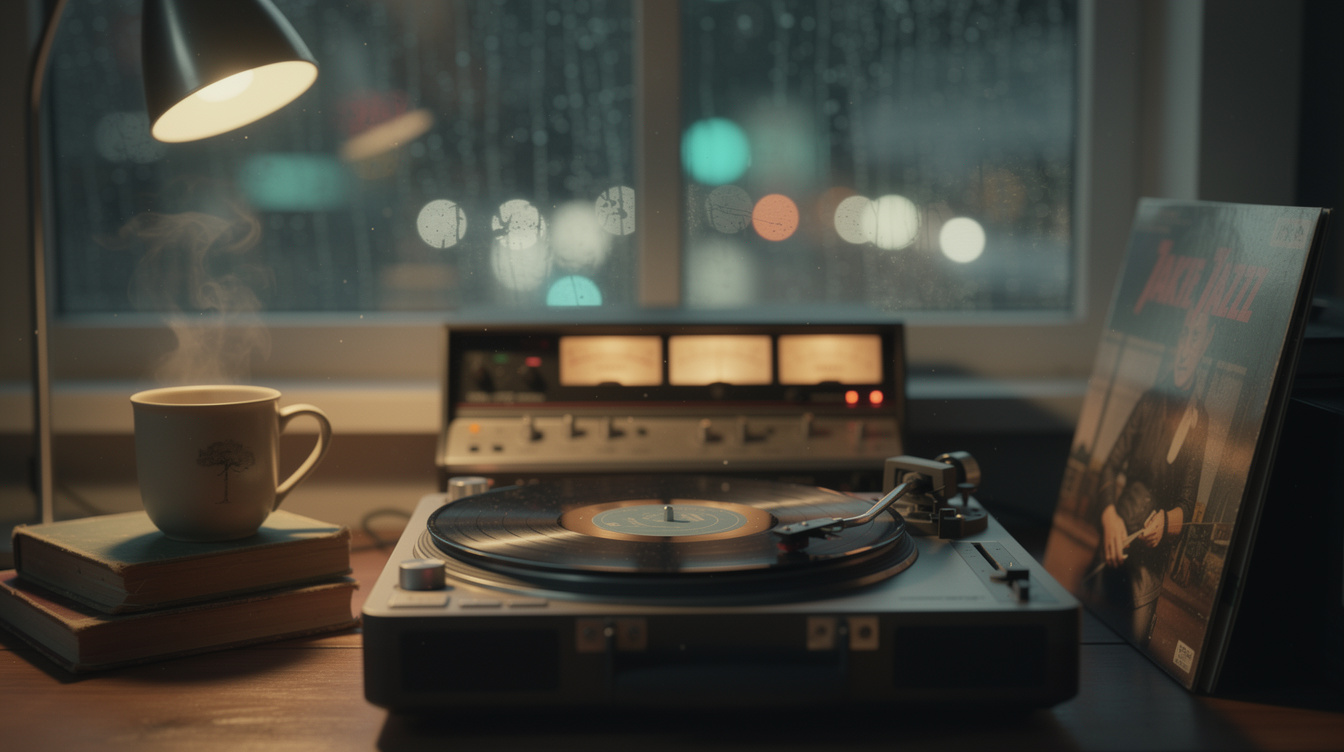
Lo-fi hip-hop is the most welcoming genre to learn, because its core principle is the opposite of most production advice: imperfection is the point. The drums are loose, the chords are warm and a little blurry, and the whole thing feels like it was recorded on old equipment on a rainy afternoon. That relaxed feel is craft, not accident — and it's very learnable.
This guide covers what makes a beat sound lo-fi — the tempo, the swing, the jazzy chords, the dusty texture — and then how to build one quickly in Onomo Studio, free and entirely in your browser.
What defines the lo-fi sound
Tempo. Lo-fi sits around 70–90 BPM — slow, head-nodding, unhurried. Around 75–85 is the sweet spot for most "study beats."
Feel. Swung and lazy. Where most electronic music snaps perfectly to the grid, lo-fi deliberately pulls things off it. The snare drags a hair late, the hats swing, notes don't all land exactly on the beat. That human looseness is what separates a warm lo-fi beat from a stiff one.
Key sounds. Dusty, soft drums (no sharp modern snares). Jazzy keys — a Rhodes-style electric piano or a soft piano playing rich 7th and 9th chords. A simple, round bassline. And a layer of texture: vinyl crackle, tape wobble, and gentle filtering that rolls off the high end so nothing sounds too clean.
The drums
Program these on the step sequencer at ~80 BPM. Lo-fi drums are usually a relaxed boom-bap pattern:
- Kick — on beat 1, and a second kick somewhere loose in the bar (often pushed slightly off the grid). Soft and round, not punchy.
- Snare (or rimshot) — on the backbeat, beats 2 and 4 (steps 5 and 13). Crucially, nudge it a touch late so it drags behind the beat — that's the lazy feel.
- Hi-hats — gentle, often swung 8ths or quiet 16ths. Use per-step velocity heavily here: lo-fi hats are full of soft ghost notes and a few accents, never uniform.
Two techniques do most of the work:
- Swing. Use the sequencer's groove/swing so off-beat hits land late, giving that triplet-feel shuffle.
- Velocity variation and probability. Make hits uneven in volume and let some ghost notes fire only sometimes. Robotic, identical hits are the enemy of lo-fi.
The bass
Lo-fi bass is simple, round, and warm — it stays out of the way. Pick a soft synth bass (a subtractive engine with the high end rolled off makes a great mellow sub) and write a bassline in the piano roll that mostly follows the root notes of your chords, with maybe a passing note or two for movement. Keep it sparse and let it sit under the keys. As always, try to land the main bass notes where the kick speaks so the low end moves together.
Chords and melody
This is the heart of lo-fi, and it's where a little jazz harmony pays off enormously. Lo-fi chords are extended chords — not plain major and minor triads, but 7th, 9th, and sometimes 11th chords that sound rich, warm, and slightly wistful.
Pick a Rhodes-style or soft electric-piano sound from Studio's synth engines and write a slow loop of 2–4 chords in the piano roll. Some reliable lo-fi moves:
- Major 7th and minor 7th chords instead of plain triads — instantly jazzier and softer.
- Add 9ths on top for that dreamy color.
- A ii–V–I progression (the backbone of jazz) sounds unmistakably lo-fi when played slowly on a warm keys sound.
- Voice the chords loosely and let them ring — long, overlapping notes, not stabs.
For melody, keep it minimal: a few notes of a soft lead or a sampled-sounding pluck over the chords, with plenty of space. Lo-fi melodies wander; they don't perform.
Arrangement and mix tips
- Keep it loop-based and minimal. Lo-fi rarely has big drops. It's a mood that sustains. Build a great 4-bar loop, then create variation by muting elements (drop the drums for a bar, let the keys breathe).
- Roll off the highs. Use Track EQ to gently lower the top end across the beat. That darker, filtered tone is central to the "old equipment" feel.
- Add warmth and grit. Reach for the Super effects: gentle saturation for tape warmth, a touch of compression to glue, and a little reverb on the keys for depth. A bitcrush or filter set subtly can add that worn, dusty character.
- Layer in texture. Vinyl crackle and faint background ambience (rain, a record hiss) sitting low in the mix sell the vibe instantly.
- Don't over-mix. A pristine, loud master fights the genre. Lo-fi should sound soft and a little compressed, like it's coming from another room.
How to do it fast in Onomo
A lo-fi loop comes together quickly:
- Set tempo to ~80 BPM.
- Grab drums from Foundry. The free, rule-based Kit Generator and Loop Generator can hand you a dusty kit and a swung loop to start from, sent straight to Studio — then loosen and soften them to taste.
- Program the drums with swing, soft velocities, and a late-dragging snare.
- Write jazzy chords on a Rhodes-style sound — 7ths and 9ths, played slow and loose.
- Add a round, simple bassline following the chord roots.
- Texture and mix: roll off highs, add saturation, drop in vinyl crackle.
- Optionally use Airess. Airess, Studio's AI assistant, can drop an editable jazzy chord progression into your project for you to react to and re-voice — handy if extended chords are new to you.
New to beats in general? The full beat-from-scratch walkthrough is a good companion read.
FAQ
Is this really free? Yes. Building, texturing, mixing, and exporting a lo-fi beat in Studio is free — no download, no plugins. The synths, drum engines, sequencer, and effects all run in your browser.
Do I need to know jazz theory? It helps but isn't required. Start with minor 7th and major 7th chords — just add a couple of extra notes to the triads you already know — and a ii–V–I loop. You'll get a jazzy lo-fi sound without studying theory first.
Can I make a lo-fi beat on my phone? Not in Studio yet — it needs a laptop, desktop, or tablet-sized screen for now. On a phone you can sketch ideas in Foundry and the Chord Palette, then voice the chords and fine-tune the swing in Studio on a computer.
Why does my lo-fi beat sound too clean and stiff? Two reasons, usually: everything is perfectly on the grid, and the high end is too bright. De-quantize a few hits, add swing, drag the snare slightly late, and roll off the treble with EQ. The genre is built on warmth and looseness.
What BPM is lo-fi hip-hop? Typically 70–90 BPM, with most "chill study beats" around 75–85. Slow and head-nodding is the goal.
That's the recipe. Open Studio, find a warm chord loop, and let the snare drag a little late. That's lo-fi.
Ready to try it yourself?
Onomo is a creative suite in your browser — a full DAW, a design editor, a video editor and a writing room. Free to start, nothing to install.
On your phone? Make your account now and open Studio later on a laptop, Chromebook or tablet. The free Toolkit works right here.
Open Studio and make one