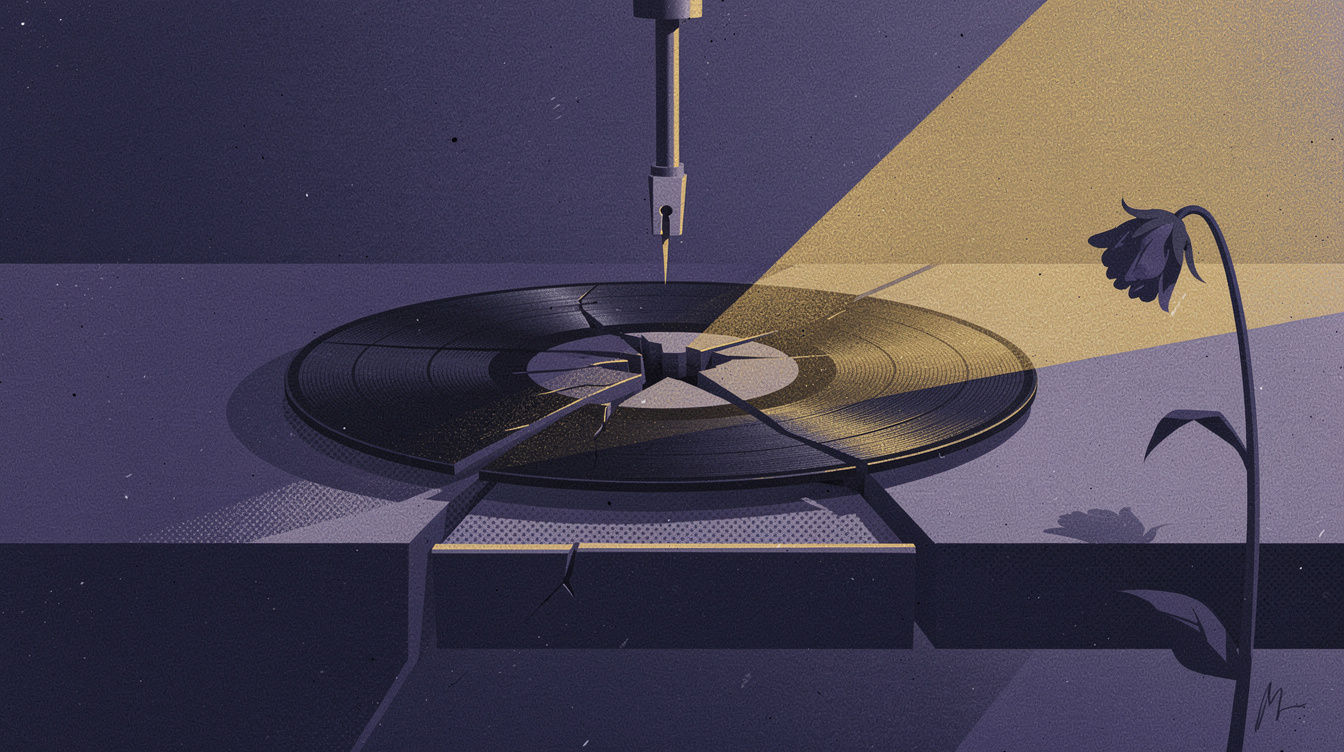
Let's start by throwing out the fantasy, because it's the thing quietly making you miserable. The fantasy is the overnight blow-up: one clip goes viral, you wake up with 50,000 followers, and you've "made it." It almost never happens, and when it does it usually evaporates just as fast, because an audience that arrived in a day has no real attachment to you.
Real audiences are built the unglamorous way — slowly, one genuine fan at a time, over a long stretch of showing up. The good news hidden in that: you don't need to be lucky or go viral. You need a handful of true things, done consistently, for longer than most people are willing to do them. Here's the honest playbook.
You need fewer fans than you think (the 1,000 True Fans idea)
Back in 2008, Kevin Kelly wrote an essay that's only gotten truer with time: 1,000 True Fans. The idea is that you don't need millions of casual listeners to build a sustainable music career — you need around a thousand true fans, the kind who buy the ticket, the merch, the vinyl; who stream every release the day it drops; who tell their friends about you unprompted.
Run the math and it's genuinely freeing. A thousand people who each spend, say, $100 a year on your music and shows is a real living. And a thousand people is not a stadium — it's a mid-size lecture hall. Suddenly the goal isn't "become famous." It's "find a thousand people who genuinely love what I do, and take care of them." That's a completely different, far more achievable, far saner project.
Real fans beat vanity metrics — by a lot
This reframes everything about how you should spend your energy. A hundred people who genuinely care about your music are worth more than ten thousand who followed once and never listened again.
This isn't a feel-good slogan. A well-timed message to 2,000 people who actually love you will drive more streams on release day than a post to 20,000 passive followers who scrolled past. One superfan who buys tickets, grabs the merch, and drags three friends to your show does more for your career than thousands of accounts that inflate a number and do nothing.
So stop optimizing for the number that makes you feel good for ten seconds (followers, likes) and start optimizing for depth — for turning listeners into people who'd be genuinely bummed if you stopped. Fewer, realer, deeper.
Pick a lane: you can't connect with "everyone"
Trying to make music for everybody is how you connect with nobody. When you actually know who your music is for — the specific kind of person who feels what you feel — everything downstream gets easier. You know how to talk to them, what to make, where they hang out, and which thousand people to go find.
This isn't about boxing yourself in creatively. It's about being honest that the people who'll love your specific thing are a specific kind of people, and aiming at them instead of at a faceless crowd. A clear, slightly narrow identity that some people adore beats a vague, broad one that everyone mildly tolerates. Niche down. The "everyone" strategy is a "no one" strategy.
Show the process, not just the product
This is the shift that turns a follower into a fan: people don't fall in love with finished songs nearly as fast as they fall in love with people. The artists who build loyal audiences show up as humans — with a personality, opinions, humor, the messy middle of making things — not just as a release-promotion machine that posts "OUT NOW 🔥" four times a year.
Let people watch you make the thing. The beat coming together. The verse that wasn't working. The win, the doubt, the small behind-the-scenes moments. This does two things at once: it gives you a near-endless supply of stuff to share (you're already making music; just open a window into it), and it makes people feel like they know you. And people support people they feel they know. The finished track is the destination; the process is how strangers become invested in whether you get there.
Own your audience — the unsexy power move
Followers on a social platform aren't really yours. The platform owns the relationship, decides who sees your posts, and can change the rules or disappear tomorrow. So as you grow, move your real fans onto something you own — an email list, most of all.
It sounds boring next to chasing a viral moment. It's also the single most durable thing you can build. An engaged email list of even a thousand or two genuinely outperforms a much larger passive social following, because those people chose to hear from you and a message actually reaches them — no algorithm in the middle deciding you don't deserve the attention this week. Your social accounts are rented land. Your email list is land you own. Build the thing nobody can take from you.
Consistency is the actual secret (and it's not sexy)
Every "how did they blow up" story, looked at closely, is years of showing up before the part you noticed. The real mechanism isn't a hack — it's the slow compound of being consistent: releasing regularly so people learn to expect new music from you, engaging genuinely instead of disappearing between drops, and staying in it long after the early silence would make most people quit.
That early stretch — posting to crickets, releasing to 40 plays, wondering if anyone's out there — is where almost everyone gives up. It's also completely normal and temporary. The artists who "make it" are very often just the ones who didn't stop during the part that felt pointless. Show up, be real, take care of the few who show up back, and let it compound. Boring. Effective. True.
The summary
Building an audience from zero isn't about a growth hack or a lucky break. It's about finding the specific people your music is for, connecting with them deeply while you're still small enough to, showing them the human behind the music, moving your real ones onto something you own, and — above all — not quitting during the quiet years. Aim for a thousand true fans, not a million strangers. It's a saner goal, a kinder one, and the only one that actually lasts.
FAQ
How many fans do I actually need to make music sustainable? Far fewer than you think. The "1,000 True Fans" idea suggests around a thousand genuinely devoted fans — people who buy and show up — can support a real career. The goal isn't fame; it's depth with a manageable number of people.
Should I focus on growing my follower count? Focus on depth, not the number. A hundred people who genuinely care are worth more than ten thousand passive followers — they're the ones who actually stream, buy, show up, and spread the word. Optimize for real connection over vanity metrics.
What's the most durable thing I can build? An audience you own — especially an email list. Social followers belong to the platform; an email list belongs to you and reaches people directly, without an algorithm deciding who sees you. It consistently outperforms a larger but passive social following.
I'm posting and nobody's responding. Am I doing it wrong? Probably not — that quiet early stretch is normal and nearly universal. The artists who succeed are usually the ones who kept showing up, stayed genuine, and took care of their first few fans while it still felt like shouting into the void. It compounds; give it time.
The slow way is the only way that lasts. There's more from Artist Life on the rest of the long game.
Ready to try it yourself?
Onomo is a creative suite in your browser — a full DAW, a design editor, a video editor and a writing room. Free to start, nothing to install.
More from Artist Life