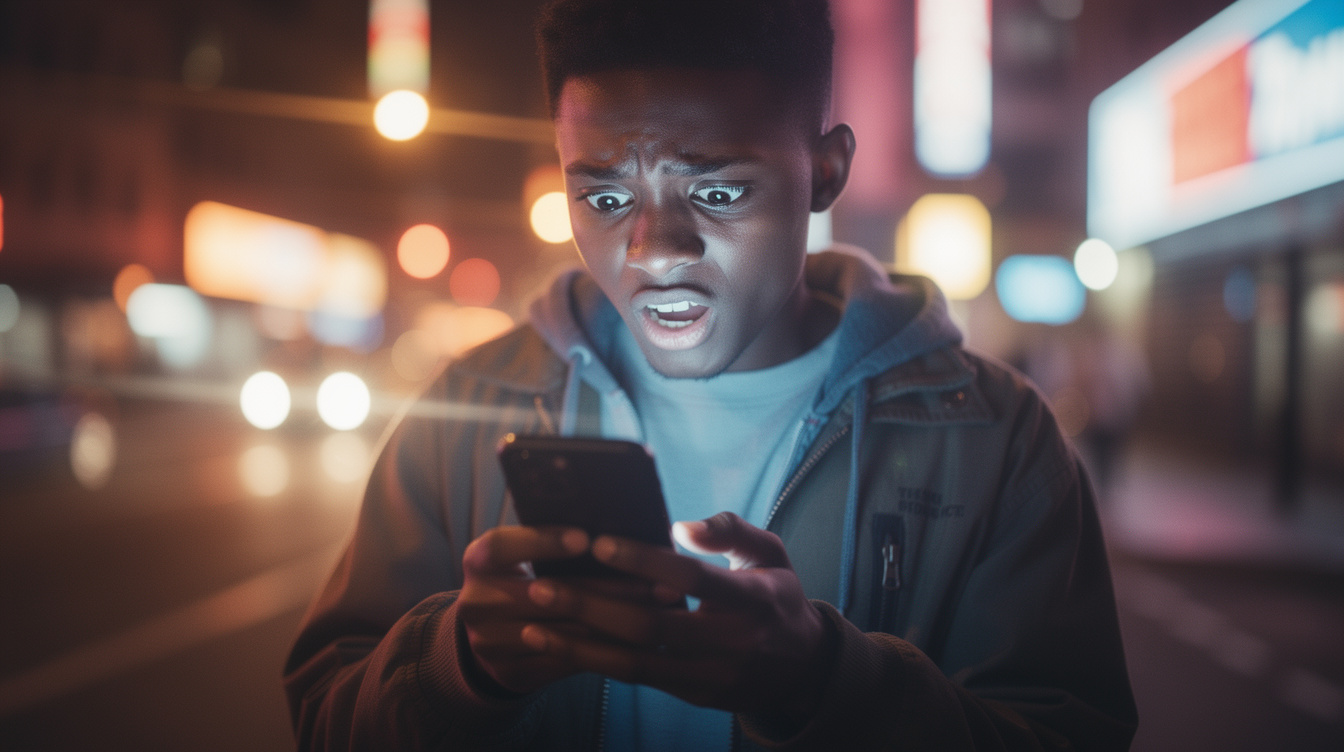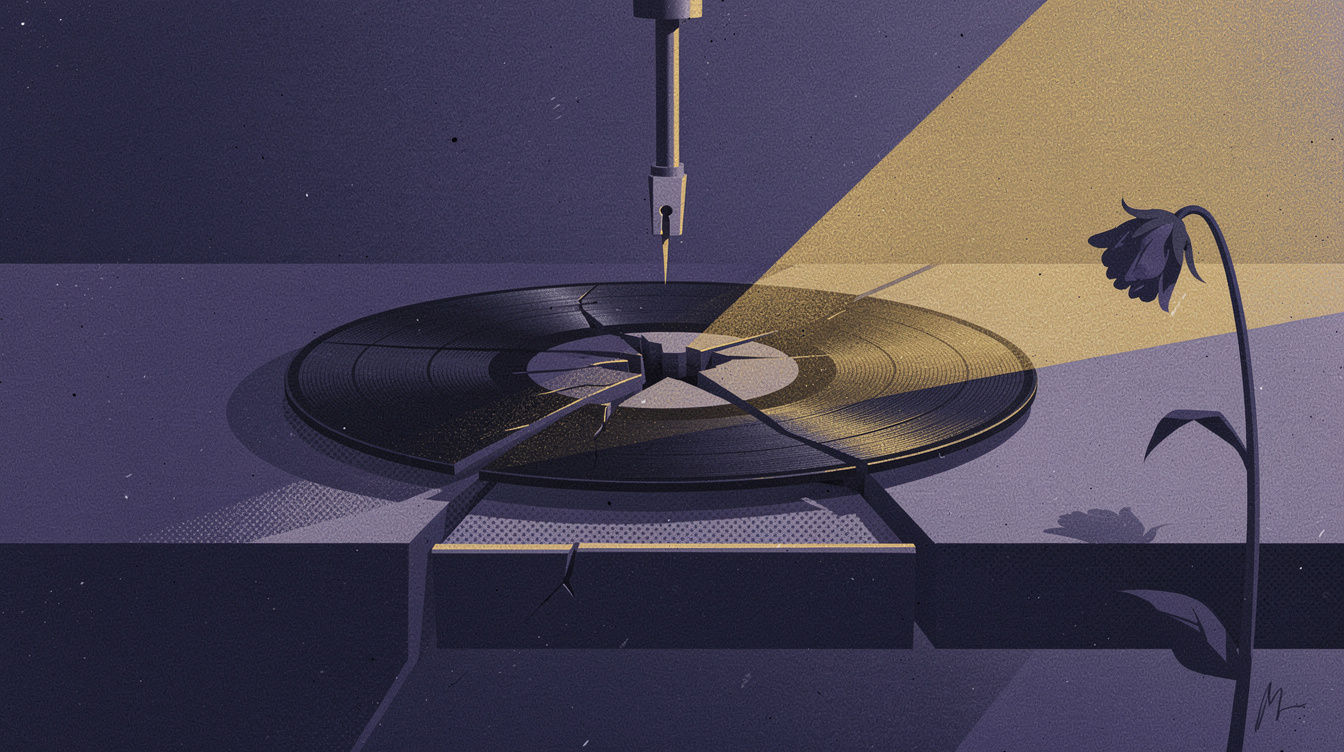
There's a feeling every artist knows and nobody talks about honestly: you spend weeks on a song, you believe in it, you build up the courage to put it out — and then it just… sits there. Forty plays. A couple of likes from friends. The silence where you imagined a reaction. It's quietly crushing, and it makes you question whether you're any good at all.
First, breathe. A flop is not a verdict on your talent, and it's not the end of anything. Let's talk about why it happens, how to survive the gut-punch, and what to actually do next.
You are extremely, statistically not alone
Before anything else, sit with this number, because it reframes the whole thing: in 2025, over 50 million songs — about 20% of everything on streaming — got literally zero streams. Not "a few." Zero. The graveyard of unheard music is enormous, and it is full of genuinely good songs by genuinely talented people.
A quiet release is not the exception. It's the default. The viral hits you see are a vanishingly small slice; the vast, silent majority of music — including a lot of great music — goes mostly unheard, at least at first. So when your song lands quietly, you haven't failed at something everyone else is succeeding at. You've had the completely normal, near-universal experience of releasing music into a very crowded, very noisy world.
That's not meant to depress you. It's meant to take the shame out of it. This happens to almost everyone. It's happening to thousands of artists this week. You're in enormous company.
Why songs flop (and most of it isn't "the song is bad")
The most painful assumption — it flopped because it's bad — is usually the least accurate explanation. Far more often, the song never actually got a fair chance to be heard. The real culprits are usually:
Distribution isn't promotion. This is the big one. Uploading your song to Spotify just puts it on the shelf — it does nothing to make anyone walk down the aisle. A song with no promotion behind it isn't competing and losing; it's mostly invisible. If your whole "release plan" was "hit upload," the result isn't a referendum on the music. The music never got in the room.
Most people quit promoting way too early. The common pattern: push hard on release day, post once or twice, then go quiet — and conclude it flopped within a week. But a release isn't a day; it's a campaign. Songs need sustained pushing for weeks, not hours.
The execution had friction. Generic or pixelated cover art (people really do judge whether music is worth their time by the thumbnail), a release nobody was warned about, no pre-saves, no path from "heard it" to "followed you." Small stuff that quietly suffocates a good song.
You weren't talking to a specific audience. "Nobody listened" and "I never built or spoke to the people who'd love this" are often the same sentence. The song needed an audience pointed at it, and there wasn't one yet.
Notice what's not usually on this list: "the song is garbage." Sometimes a song genuinely doesn't connect — that happens too. But far more flops are distribution-and-audience problems wearing a quality-problem costume. Don't trash a good song for a marketing miss.
How to handle the gut-punch
The practical stuff matters, but let's be real about the feeling first, because it can knock you out of the game entirely if you let it.
Let yourself be disappointed — briefly. It's okay to feel deflated. You hoped, and the hope didn't pay off this time. Don't pretend it doesn't sting. Feel it for a day. Then don't let it set up permanent residence.
Don't make it mean something global. "This song flopped" is true. "I'm not talented," "nobody will ever care," "I should quit" — those are stories your disappointment is telling, and they aren't facts. One quiet release predicts almost nothing about your future. Catch the spiral before it generalizes a single result into your whole identity.
Resist the urge to delete it or disown it. In the sting of the moment, you'll want to pretend it never happened. Don't. The song still exists, it can still find people later (catalogs get discovered out of order all the time), and disowning your work is a bad habit to build. It's not a failure; it's a release that's still waiting for its audience.
What to actually do next
Once the worst of the feeling passes, here's the constructive path:
- Do a calm post-mortem. Look at your dashboard data honestly. Where did the few plays come from? Where did it stall? Was there any real promotion? You're not looking to feel bad — you're looking for the one or two fixable things you'll do differently next time.
- Keep promoting it anyway. A release isn't over because the first week was quiet. Make more content around it, perform it, share the story behind it. Songs find their moment on their own schedule.
- Fix the system, not just the song. If the real problem was "nobody knew" or "I have no audience yet," then the highest-leverage work isn't a better song — it's building the people who'll be there for the next one. (Our guide on building an audience from zero is the long game that makes future releases land.)
- Make the next one. The single best response to a flop is more reps. Every release teaches you something, and consistency is what eventually trains an audience to show up. The artist who releases the quiet song and then keeps going beats the one who lets a flop stop them every time.
The mindset that keeps you in the game
Your music will flop sometimes. Even when it's well-written, well-produced, and genuinely good — sometimes it just won't catch, and that is a completely normal, expected part of doing this. The artists who "make it" are not the ones who never had a quiet release. They're the ones who survived their quiet releases — who took the lesson, kept the song, fixed the system, and made the next thing anyway.
A flop feels like the end. It's actually just one data point in a long career, and a career is the only timescale that matters. So feel it, learn from it, and get back to work. The audience that wasn't there this time is built one release at a time — and you're still building.
FAQ
Is it normal for a song to get almost no streams? Extremely. In 2025, over 50 million songs — roughly a fifth of all music on streaming — got zero streams. A quiet release is the statistical norm, not a personal failure. Most music, including a lot of great music, goes largely unheard at first.
Does a flop mean my song is bad? Usually not. Far more often the song simply never got a fair chance — no promotion, a one-day push, no audience pointed at it. Distribution puts a song on the shelf; it doesn't make anyone listen. Most flops are visibility problems, not quality problems.
Should I delete a song that flopped? No. It can still find listeners later (catalogs get discovered out of order all the time), and disowning your work is a bad habit. Keep it up, keep promoting it, and move on to the next one.
What should I do differently next time? Treat the release as a multi-week campaign, not a single day: build anticipation, run pre-saves, promote for weeks after, make sure the art and metadata are solid, and — most importantly — work on building an audience so future releases have people waiting.
How do I not let it crush my motivation? Feel the disappointment briefly, then refuse to let "this song flopped" become "I'm not talented." It's one data point. The artists who succeed are the ones who kept going after the quiet releases — which is almost all of them, early on.
Quiet releases are part of the path, not the end of it. There's more from Artist Life — including what to do when a song does blow up.
Ready to try it yourself?
Onomo is a creative suite in your browser — a full DAW, a design editor, a video editor and a writing room. Free to start, nothing to install.
More from Artist LifeOther product and company names mentioned here are trademarks of their respective owners. Onomo isn’t affiliated with or endorsed by them. Details about other products are accurate to the best of our knowledge as of the post date and may change.