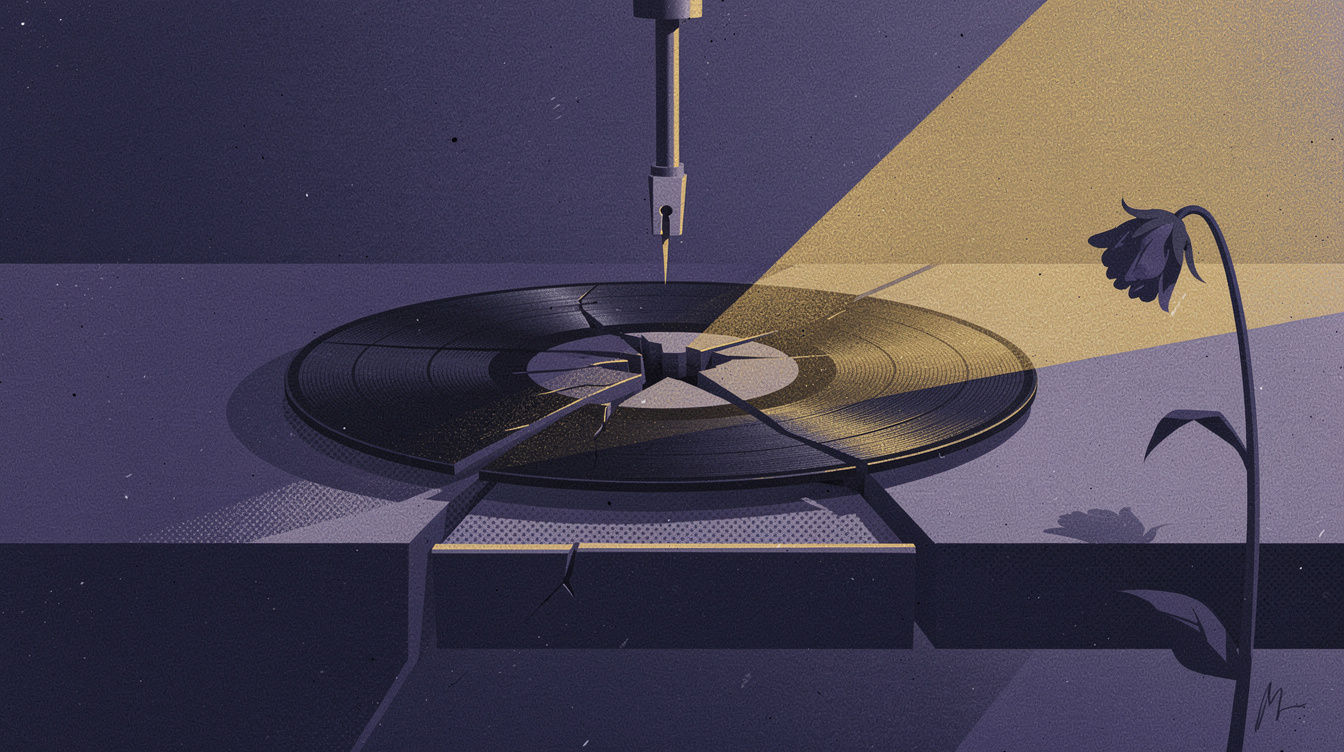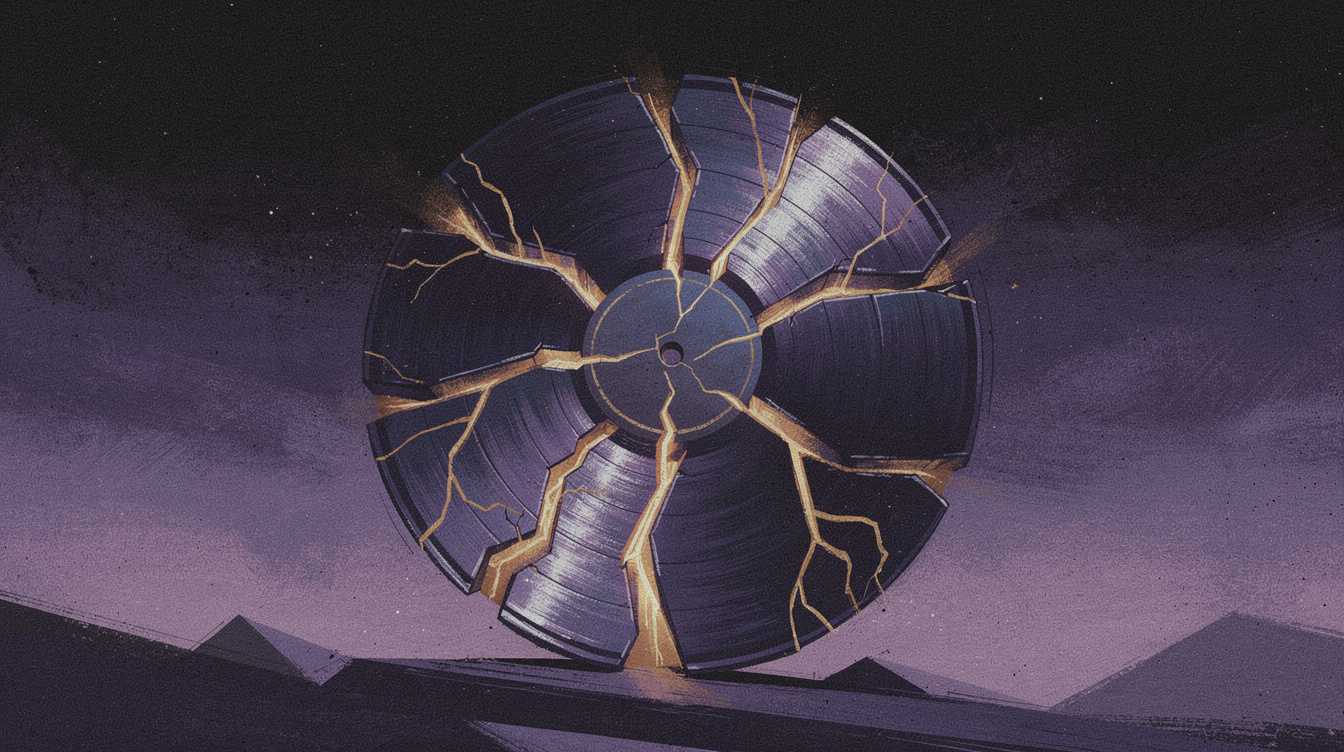
You send a song to someone whose opinion you trust. You're hoping for "this is incredible." Instead you get: "the verse is kind of weak and the vocal's buried." And even though that's mild, even though it's true, even though some part of you already knew — it lands like a slap. Your chest goes tight, your face gets hot, and a voice inside immediately starts building the defense case: they didn't listen properly, they don't get the genre, what do they even know. You feel, for a second, like they didn't critique a verse. Like they said you are not good enough.
That reaction is completely normal, and it comes from something real: your music isn't a report you handed in. It came out of you — your taste, your feelings, your three weeks of work — so a note on the song feels like a note on your soul. But here's the bind: feedback is one of the only ways you get better, and if criticism takes you out emotionally every time, you'll either stop asking (and stop growing) or stay defended (and stay stuck). So the skill isn't avoiding feedback. It's learning to take it without it taking you. That's a learnable skill, and here's how.
The core move: you are not your song
Everything starts here, so build this foundation first: who you are is not the same as the thing you made.
This sounds obvious and is brutally hard to feel in the moment, because your music feels like a direct readout of your worth. It isn't. A song is an object you created — a thing out in the world, separate from you, that can have a weak verse the same way a chair can have a wobbly leg, without any of it meaning you are weak or wobbly. When someone says "the mix is muddy," the accurate translation is "this mix is muddy" — a fixable fact about an object — not "you are a fraud who should quit." Your defensive brain does the bad translation automatically. Your job is to catch it and correct it.
The more space you can put between you and the work, the less criticism wounds and the more it just becomes useful information about a thing you can improve. The artists who take feedback gracefully aren't tougher humans with thicker hides. They've just internalized that a critique of the song is not a verdict on the self — so there's far less for the criticism to hit. The note bounces off the work instead of burying itself in the person.
Who you ask is half the battle
Most feedback pain comes from asking the wrong people the wrong way. Fix the inputs and the whole experience changes.
Stop asking the people who only love you. Your mom, your partner, your best friend, the group chat that hypes everything — they're wonderful and they will tell you it's amazing. That's not feedback; that's support, and you need both, but don't confuse them. When you want to improve, ask someone with two things: a good ear (they understand music, ideally your genre) and the willingness to be honest with you. A trusted producer friend, a mentor, a peer who's a little further along, a feedback community where strangers have no reason to spare your feelings. The praise from people who love you keeps you going. The honesty from people with good ears keeps you growing. Know which one you're asking for and go to the right source.
Ask specific questions, not "what do you think?" "What do you think?" invites a useless verdict — "yeah it's cool" — that teaches you nothing. Specific questions get specific gold. Does the intro hold you or do you want to skip? Does the energy drop in the second verse? Can you hear the lyrics clearly? Does the drop actually hit or did I oversell it? You'll get a hundred times more usable information, and it protects you emotionally, because you've aimed the critique at a part of the song instead of opening the floor to a referendum on your worth. Direct the feedback and you control both its usefulness and its sting.
Filtering signal from noise
Once feedback is coming in, the next skill is sorting it — because not all of it is right, and treating every note as gospel will pull your song in ten directions and erase what made it yours.
Separate craft notes from taste notes. This is the single most important filter. Some feedback is about craft — objective-ish, fixable, true regardless of preference: the vocal's masked by the guitars, the timing's loose, the arrangement sags in the middle. Take that seriously; it's almost always worth acting on. Other feedback is about taste — "I don't really like trap," "I'd have made it faster," "not my kind of thing." That's information about the listener's preferences, not a flaw in your song. A house fan disliking your drill track is not a problem to fix; it's a genre mismatch. Learning to tell "this is broken" from "this isn't my cup of tea" is the difference between feedback that sharpens you and feedback that dissolves you.
Look for the pattern. One person's opinion is a data point; you can't tell yet whether it's signal or just their quirk. But when three different people, independently, all snag on the same spot — "the second verse loses me," again and again — that's not opinion anymore, that's signal, and you should believe it even if (especially if) you don't want to. Conversely, a single note nobody else echoes might just be one person's taste — worth considering, safe to set down. The crowd's repeated reaction is far more trustworthy than any one voice, including the loudest one.
Handle conflicting feedback with your vision, not a coin flip. Ask enough people and you'll get the opposite advice from two of them — "the intro's too long" / "I loved the long intro." This paralyzes people, but it shouldn't, because contradictory feedback is actually freeing: it's proof there's no single correct answer, which hands the deciding vote back to you. When notes conflict, run them through your intent. What is this song trying to do? Which note serves that, and which fights it? You're not a jukebox averaging everyone's preferences into beige consensus — you're the artist. Conflicting feedback isn't a problem to solve. It's permission to choose.
When to ignore it (and not go numb)
The flip side of taking feedback well is knowing when to set it down — because not all of it deserves your attention, and some of it will quietly try to sand off the very thing that makes you you.
Trust your vision on the stuff that's central to your identity as an artist. If a note would turn your song into a more generic, "safer," less you version of itself, be very suspicious of it — even from someone smart. The weird, signature, slightly-too-much element a critic wants you to remove is sometimes the exact thing that makes the song yours and worth hearing. Feedback is for fixing what's broken, not for filing off what's distinctive. Take notes on the flaws. Guard the fingerprints. The point of growing is to become more sharply yourself, not to be focus-grouped into the middle.
But here's the line you have to walk carefully: there's a difference between a healthy filter and a wall. Don't let "trust your vision" become a hiding place for never improving. The defended artist dismisses every note as "they just don't get it" and never gets better; the spineless one takes every note and disappears into other people's tastes. Aim for the middle — open enough to hear hard truths, anchored enough to protect what matters. The honest gut-check question is: am I rejecting this because it's actually wrong, or because it's right and it hurts? You usually know the answer if you're brave enough to ask.
And growing a thicker skin doesn't mean going numb. The goal isn't to stop caring — caring is why you're good. It's to care about the work fiercely while caring about the verdict on yourself a lot less. That distinction is everything, and it gets easier every time you survive a hard note and watch your music get better because of it. The sting fades. The lesson stays. Over a few years of this, criticism stops feeling like a threat to your existence and starts feeling like what it always was: free help making the thing you love a little better.
So go send the song to someone with good ears and the guts to be honest. Ask them three specific questions. Let the answer sting for a second — then mine it for the gold. Your music will thank you, and so, eventually, will you.
FAQ
Why does criticism of my music hurt so much? Because your music came out of you — your taste, your feelings, your hours of work — so your brain mistranslates "this verse is weak" into "you are not good enough." It isn't. A song is an object separate from you that can have fixable flaws without those flaws meaning anything about your worth. Putting space between yourself and the work is what makes feedback sting less.
Who should I ask for feedback on my music? People with a good ear (they understand music, ideally your genre) and the willingness to be honest — a trusted producer friend, a mentor, a peer who's further along, or a feedback community. Not your mom or your hype group chat; they give you support, which you need, but not honest critique. Match the source to what you actually want: encouragement or growth.
How do I know which feedback to act on and which to ignore? Separate craft notes ("the vocal's buried," "the timing's loose" — usually true and worth fixing) from taste notes ("I don't like this genre" — about the listener, not your song). Then look for patterns: when several people independently flag the same spot, that's signal worth believing. A single note nobody else echoes is often just one person's taste, safe to consider and set down.
What do I do with conflicting feedback? Don't average it into beige consensus — that's how songs lose their character. Conflicting notes are actually proof there's no single right answer, which hands the decision back to you. Run each note through your intent for the song: which one serves what it's trying to do, and which one fights it? You're the artist, not a jukebox. Conflicting feedback is permission to choose.
How do I get a thicker skin without becoming defensive or numb? Aim for the middle: open enough to hear hard truths, anchored enough to protect what makes your music yours. Gut-check each tough note with "am I rejecting this because it's wrong, or because it's right and it hurts?" And remember thicker skin doesn't mean caring less about the work — it means caring about the work fiercely while caring about the verdict on yourself a lot less. That gap gets easier to hold every time you survive a note and improve because of it.
Feedback is free help making the thing you love better. There's more from Artist Life on the rest of the emotional side of making music.
Ready to try it yourself?
Onomo is a creative suite in your browser — a full DAW, a design editor, a video editor and a writing room. Free to start, nothing to install.
More from Artist Life