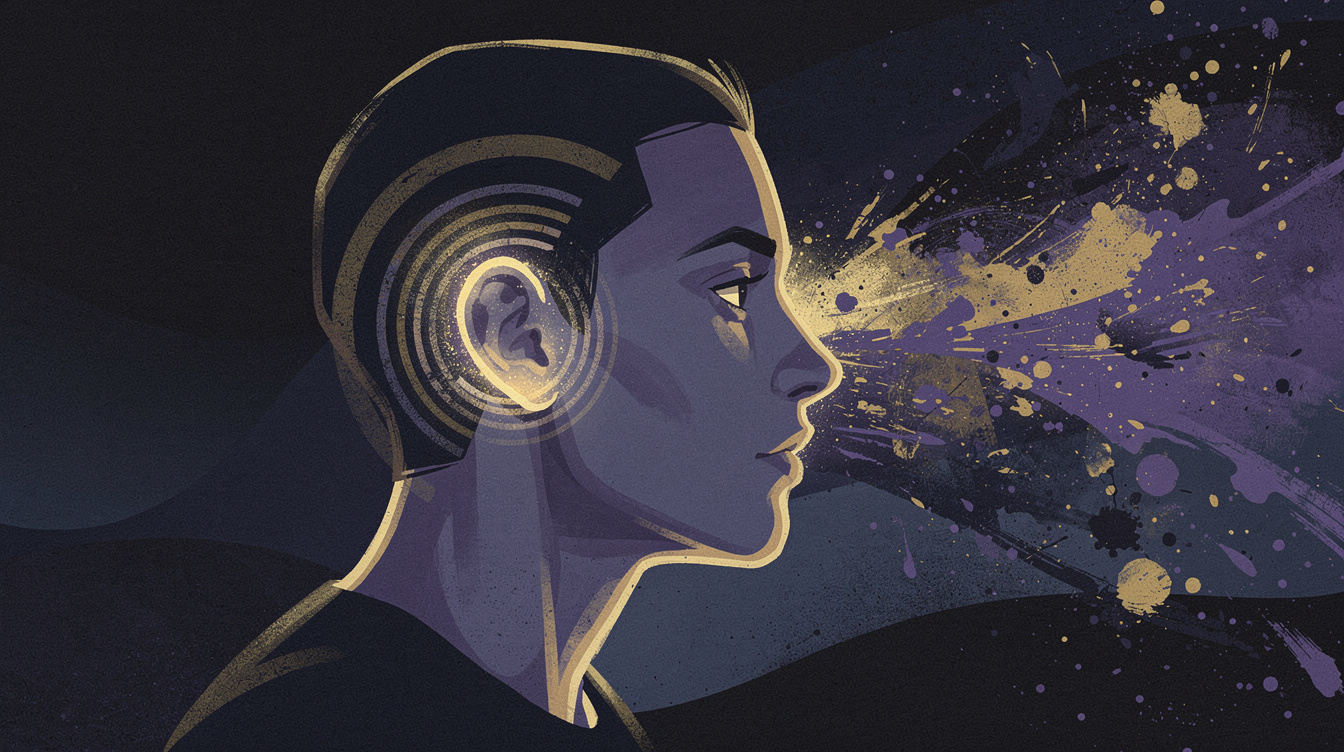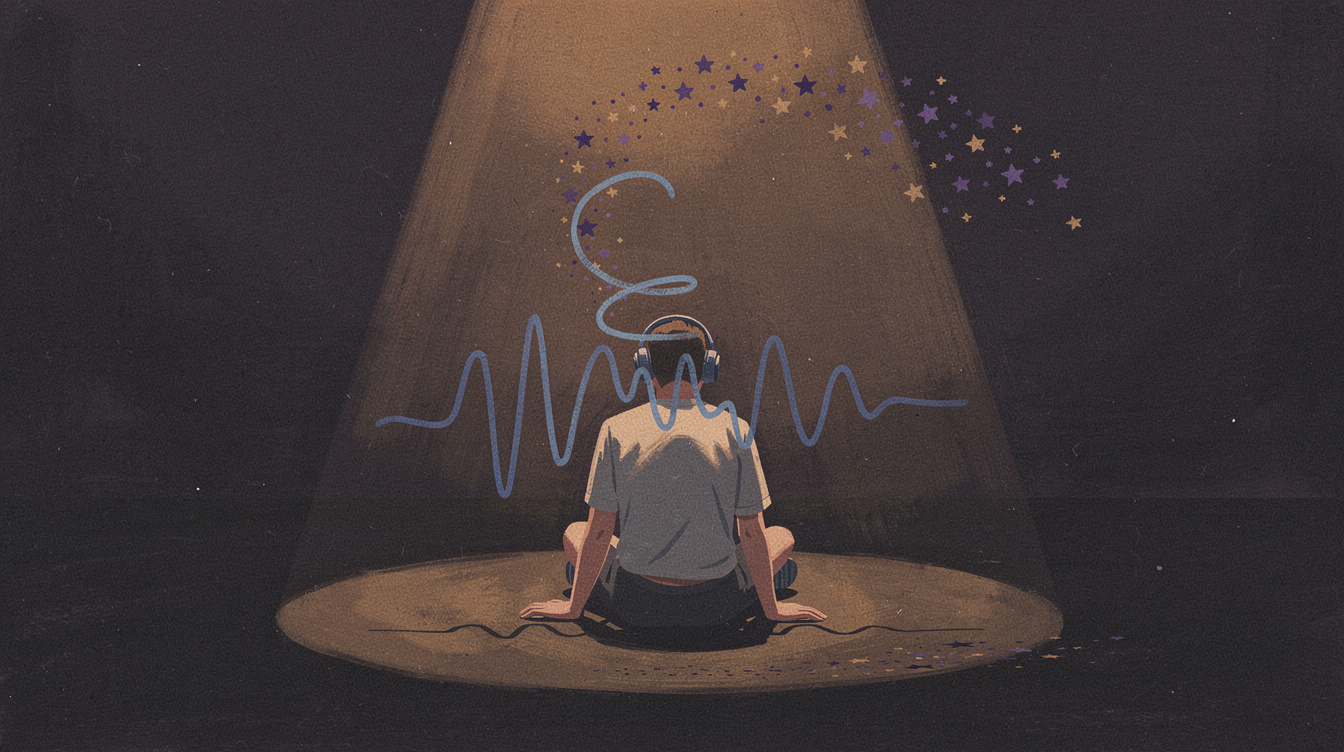
One of the strangest things about being human: we deliberately seek out music that makes us sad, and we find it beautiful. We put on the heartbreak song on purpose. We replay the one that makes us cry. From a survival standpoint this makes no sense — why would we chase an unpleasant emotion? But we do, universally, across every culture. Science has some fascinating answers, and they're useful to anyone who makes music.
The paradox
Sadness is, by definition, an emotion we usually avoid. Yet sad music is among the most beloved and enduring music there is — the ballads, the minor-key laments, the devastating bridges. We don't just tolerate musical sadness; we crave it. Researchers call this the "paradox of sad music," and untangling it reveals how deeply music is wired into us.
Theory 1: real sadness, optional suffering
One leading idea comes from musicologist David Huron: sad music simulates sadness convincingly enough that your brain runs its normal comforting response — without the actual bad thing having happened (Greater Good, Berkeley).
When you genuinely grieve, your body releases prolactin, a hormone that helps console and calm you. The theory: sad music can trigger that same consoling response — so you get the comfort of the body's grief-soothing mechanism without any real loss to grieve. As one researcher put it: the sadness is real, but the suffering is optional — and absent. (Worth noting: the science is still debated — some studies haven't confirmed the prolactin link — but the "safe sadness" framing holds up.)
Theory 2: dopamine and the chills
Ever felt a literal shiver down your spine at a devastating musical moment? That's called frisson, and it's tied directly to your brain's dopamine reward system (ScienceAlert). Peak emotional moments in music light up two parts of the reward circuit — one that fires in anticipation of the big moment, and one that fires at the release.
Strikingly, research found people report more chills during sad music than happy music. The buildup and release of musical tension — exactly the tension-and-resolution we teach throughout our courses — maps onto the brain's reward system, and sad music seems to do it especially powerfully.
Theory 3: minor keys sound like the human voice
Here's the part most relevant to your craft. Minor intervals appear to mimic patterns in the human voice during sadness — the falling pitch, the tension, the slow descent of a grieving voice. When we hear those patterns in music, our empathy systems activate, the same way they would hearing a person actually express sorrow.
That's why a minor key, a voice cracking with emotion, or a slow melodic descent hits so hard: it's musically imitating the sound of real human feeling, and our brains respond to it as if it were a person we care about. The "sad" quality isn't arbitrary — it's rooted in how humans actually sound when they hurt.
The bigger truth
The deepest takeaway is this: music is one of the few safe places to fully feel hard emotions. Sad songs let us process grief, loneliness, and longing at a comfortable distance — feeling them fully without being harmed by them. That's not a bug; it's one of the most valuable things music does for human beings.
So when you write something melancholy and beautiful, you're not just making a "sad song." You're making a safe container for someone, somewhere, to feel something they needed to feel. That's a meaningful thing to make, and the science says people will love you for it.
Go write the one that makes people cry. They'll thank you for it.
Ready to try it yourself?
Onomo is a creative suite in your browser — a full DAW, a design editor, a video editor and a writing room. Free to start, nothing to install.
On your phone? Make your account now and open Studio later on a laptop, Chromebook or tablet. The free Toolkit works right here.
Write something that moves people in the Studio