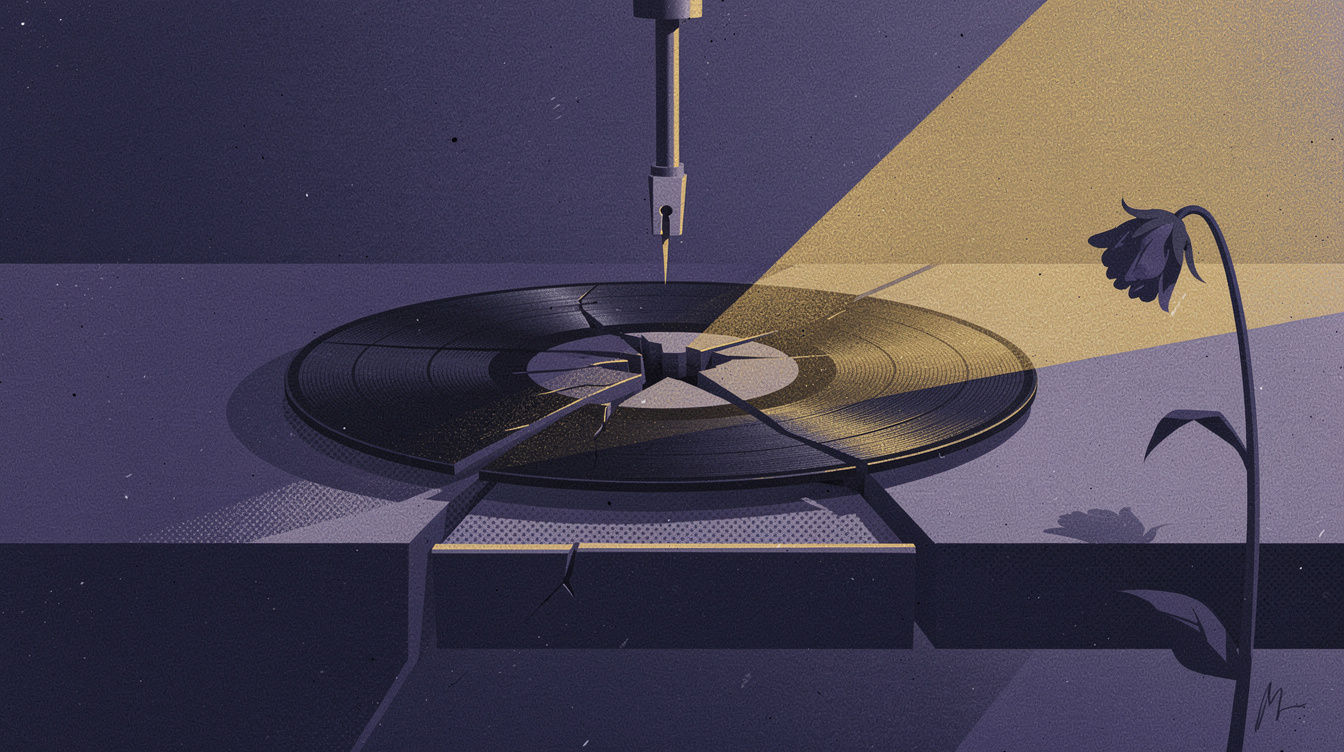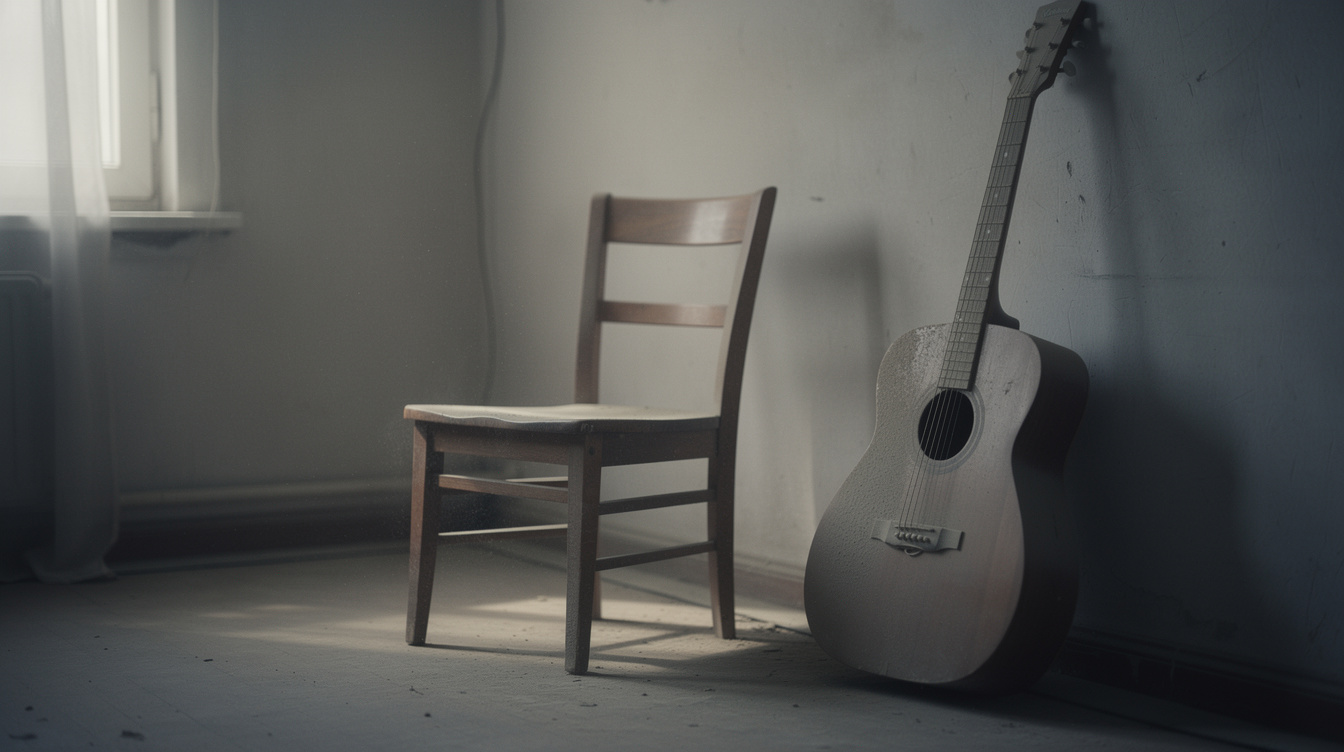
There's a particular kind of quiet that scares artists more than any flop or bad comment: the day you sit down to make music and feel nothing. No pull, no excitement, no spark. The thing that used to be the best part of your day has become another thing you can't bring yourself to do, and a voice in the back of your head asks the question you've been avoiding — why am I even doing this anymore?
If you're there, read this slowly, because here's the most important thing to know up front: losing motivation does not mean you've lost your passion. It almost never does. It means something has shifted, or gotten buried, and needs tending. Let's find it.
What lost motivation usually actually is
When the drive disappears, it's tempting to conclude the love is gone and you should quit. That's almost always the wrong diagnosis. Far more often, one of these is true:
Your "why" got buried. You didn't start making music for streams, or followers, or to "make it." You started because a song moved you, because making sound felt like magic, because you had something to say. But somewhere along the way, that original why got buried under a pile of expectations — metrics, comparison, the pressure to grow, the feeling that it all has to lead somewhere. When the joy of the thing gets replaced by the obligation of the thing, motivation drains out. You didn't stop loving music. You stopped getting to experience loving it, because every session became about performance and outcomes instead of the thing itself.
You're depleted, not done. Sometimes "I've lost motivation" is really "I'm exhausted and I haven't rested." Mental and emotional fatigue — from grinding, from pressure, from constant comparison — reads as apathy. An empty tank feels a lot like not caring, but they're different problems with different solutions. (If it's the grind that drained you, our piece on avoiding burnout goes deeper on pace.)
The work got joyless. When every single thing you make has to become content, has to be posted, has to perform — the play disappears, and play was the fuel the whole time. Music that only ever exists to be judged stops being fun to make, and fun is most of what motivated you in the first place.
Notice the thread: none of these is "you don't love music anymore." Each one is really "the conditions around your music have smothered the part of you that does." That's fixable.
How to reconnect with your why
The way back isn't to grind harder against the apathy — that's like flooring the gas on an empty tank. It's to reconnect with the reason you started. These are the moves that actually do that:
Make something purely for fun — with zero plans for it. This is the big one. Sit down and make music with absolutely no intention of releasing it, posting it, or even finishing it. Improvise. Make a deliberately silly song. Mess around in a genre you'd never release. Remix something for no reason. Strip away every ounce of outcome and just play with sound, the way you did before any of this was about a career. That feeling — the pure, pointless joy of making noise you like — is your why. It didn't leave. It just got crowded out, and unstructured play is how you find it again.
Go back to what made you fall in love. Reconnect with the source. Put on the album that made you want to do this in the first place. Watch a performance that gives you chills. Remember the specific moment music grabbed you before it was ever a thing you were trying to be good at or successful at. Motivation often comes flooding back the instant you remember what you were chasing in the first place — not the success, the feeling.
Take a real break without guilt. Sometimes the honest answer is that you need to step away for a while, and that's allowed. A genuine break — not "I should be making music" guilt-spiraling, but actually putting it down — can be the reset that lets the desire come back on its own. Motivation is often just on the other side of rest. Walking away for a bit isn't quitting; for a depleted artist, it's frequently the fastest route back.
Change everything about how you work. Routines go stale, and a stale routine quietly kills curiosity. Shake it all up — new sounds, a new space, a new time of day, a new instrument, a totally different process. Novelty reignites the spark of curiosity, and curiosity is most of what motivation actually is. Sometimes you don't need more discipline; you need a different doorway in.
Talk to someone who gets it. This struggle is isolating, and isolation makes it heavier. Talk to another musician, sit in a community of people doing the same thing, share that you're feeling this way. You'll discover two things: that you're completely normal (every artist hits this), and that other people's energy can relight yours. Sometimes just knowing you're not alone in it is enough to shift something.
"Should I just quit?"
Let's address the question directly, because it's underneath all of this. A loss of motivation is not, by itself, a sign you should quit. Every artist who's done this for any length of time has hit stretches exactly like the one you're in — the doubt, the emptiness, the "why bother." The ones who are still making music aren't the ones who never felt this. They're the ones who recognized it as a signal, made a shift, rested, reconnected with the why — and let the desire come back, which it almost always does.
Real quitting is a clear-eyed decision made when you're rested and honest, because you genuinely want a different life — not a panic exit made in a low moment when you're depleted and the spark is temporarily out. Don't make a permanent decision from a temporary feeling. The version of you reading this — tired, uninspired, questioning it all — is not the version who should be deciding whether the love is gone forever. Rest first. Reconnect first. Then see how you feel.
The bottom line
If the motivation's gone and you're wondering why you bother: the spark almost certainly isn't dead — it's buried, or starved, or just tired. You don't get it back by forcing yourself to grind through the emptiness. You get it back by removing the pressure that smothered it: making something purely for joy with no plans attached, going back to what made you fall in love in the first place, resting without guilt, shaking up everything stale, and remembering you're not alone in feeling this. The reason you started is still in there. Go make something pointless and fun, and you'll probably hear it again.
FAQ
Does losing motivation mean I've lost my passion for music? Almost never. It usually means your original "why" got buried under expectations and metrics, or that you're depleted and need rest, or that the work became all obligation and no play. The love is still there — the conditions around it just smothered it. That's fixable.
How do I get my motivation back? Reconnect with why you started: make music purely for fun with no plans to release it, revisit the album or performance that made you fall in love, take a real break without guilt, and shake up a stale routine. You reignite motivation by removing pressure and rediscovering joy, not by grinding harder.
Should I quit music if I've lost motivation? Not based on a low moment alone. Every long-term artist hits stretches like this; the ones still going recognized it as a signal, rested, and reconnected. Don't make a permanent decision from a temporary feeling — rest and reconnect first, then judge how you actually feel.
Why does making music feel like a chore now? Often because every creative act became about output, posting, and performance — which drained the play that motivated you in the first place. Protecting time to make music with no outcome attached is how you get the fun (and the drive) back.
Is it normal to feel this way? Completely. Every artist hits motivation droughts and "why am I doing this" moments. It's one of the most universal — and most temporary — experiences in creative life. Talking to other musicians who've been there often helps more than you'd expect.
The spark isn't gone — it's just quiet. There's more from Artist Life on finding it again and protecting it once you do.
Ready to try it yourself?
Onomo is a creative suite in your browser — a full DAW, a design editor, a video editor and a writing room. Free to start, nothing to install.
More from Artist Life