There is a seven-second drum solo that you have almost certainly heard hundreds of times without ever knowing its name. It has been sampled in more than 6,000 songs. It is the rhythmic DNA of entire genres — jungle, drum & bass, breakbeat — and it shows up in hip-hop, pop, and even TV ad jingles. It's called the Amen break, and its story is one of the strangest and most bittersweet in all of music.
A B-side nobody noticed
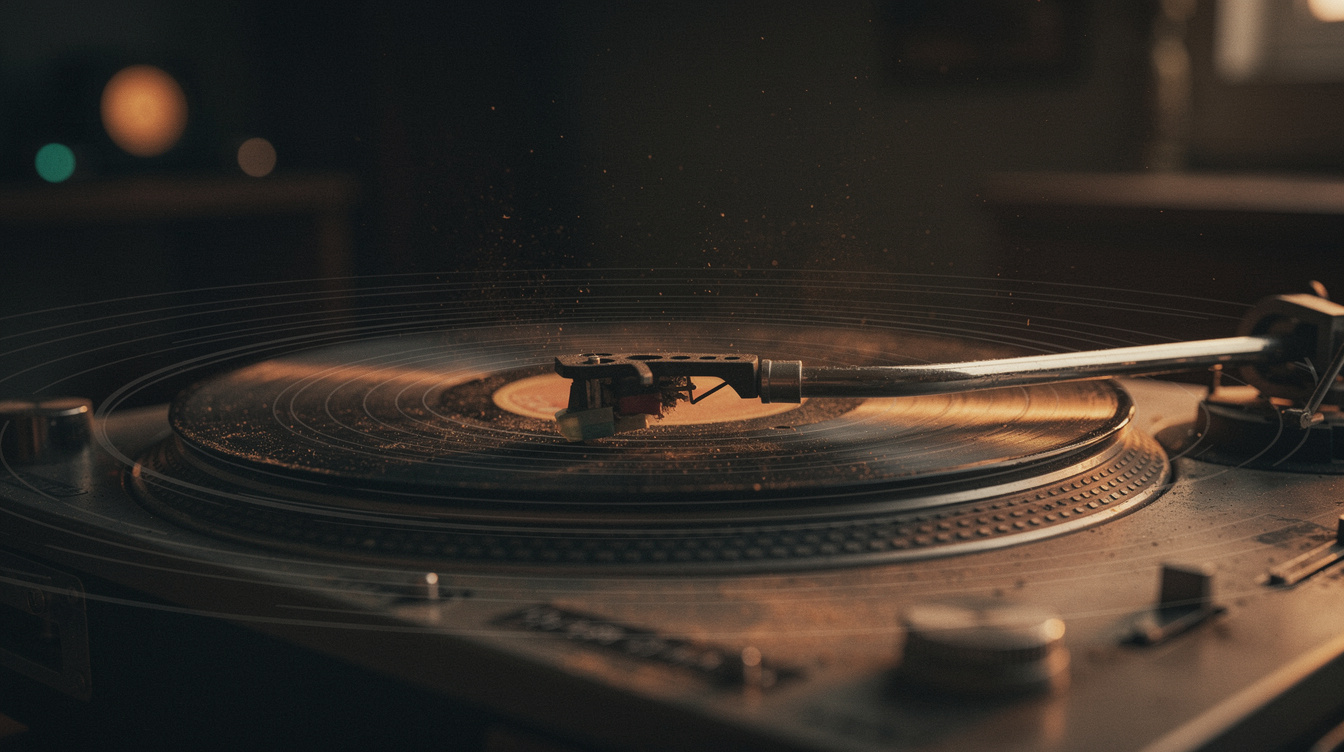
In 1969, an American soul/funk group called The Winstons released a single called "Color Him Father." The hit was the A-side. On the B-side was a gospel-inspired instrumental called "Amen, Brother." About a minute and a half in, the band drops out and the drummer, Gregory Coleman, plays a roughly seven-second solo break (Amen break history).
That was it. A throwaway moment on the flip side of a modest hit. The record came and went. The band broke up. For over a decade, those seven seconds sat forgotten.
How seven seconds ate the world
Then, in the 1980s, the rise of sampling changed everything. Producers digging through old records for drum sounds found that break — tight, funky, perfectly playable in a loop — and started chopping it up. Because it was a clean, isolated drum solo, it was ideal sampling material: you could slice it, rearrange the hits, speed it up, and build entirely new rhythms from it.
And speed it up they did. When producers cranked the Amen break to high tempos and rearranged the slices, they accidentally invented the rhythmic foundation of jungle and drum & bass in the early '90s (the break's legacy). The same break, used differently, runs through hip-hop, breakbeat, and beyond. It became, by a wide margin, the most sampled piece of recorded music in history — those six-to-seven seconds reproduced and reshaped in over 6,000 tracks across half a century.
The heartbreaking part
This is where the story turns. The Winstons — and Gregory Coleman, the drummer who actually played the break — never received a single royalty for the most-sampled recording in history. Sampling exploded long before anyone thought to clear or pay for it, and by the time bandleader Richard Lewis Spencer even learned his band's break had built entire genres (in the 1990s), the statute of limitations for copyright infringement had passed.
Gregory Coleman, the man whose seven seconds powered thousands of songs and millions of dollars of music, died homeless and broke in 2006, never having earned anything from his most famous performance. It's one of the music industry's most-cited cautionary tales about sampling, credit, and who gets paid.
What it teaches modern producers
The Amen break is more than a cool piece of trivia. It carries real lessons:
- Sampling is creation. Entire genres were built from transforming one tiny recording. Flipping a sample into something new is a legitimate, powerful art form (Modern Producer Lesson 2).
- Credit and clearance matter. The Amen story is exactly why the modern world has royalty-free libraries and sample clearance. Use cleared or royalty-free sources so the people whose work you build on get their due — and so your own work is safe.
- A small idea can be enormous. Seven seconds of drumming reshaped popular music for fifty years. You never know which small thing you make will matter. Make the thing.
Next time you hear a frantic, chopped-up breakbeat, listen closely — there's a good chance you're hearing Gregory Coleman, still playing, decades later. The least we can do is know his name.
Ready to try it yourself?
Onomo is a creative suite in your browser — a full DAW, a design editor, a video editor and a writing room. Free to start, nothing to install.
On your phone? Make your account now and open Studio later on a laptop, Chromebook or tablet. The free Toolkit works right here.
Chop a break in the Studio